
Introduction
Metal roofs are often marketed as “maintenance free.” That sounds great. Install it once and forget about it for 40 to 70 years.
That is not reality.
Metal roofing is extremely durable. It can outlast asphalt by decades. But if you ignore it completely, small issues turn into expensive repairs fast. The truth is not that metal roofs require a lot of maintenance. The truth is that they require the right maintenance at the right time.
Below, you will learn what most homeowners are never told about metal roof maintenance, what actually causes costly damage, and how to protect your investment properly.
Metal Roofs Are Low Maintenance — Not No Maintenance
There is a big difference.
Metal panels expand and contract with temperature changes. Fasteners can loosen over time. Sealants age. Flashing can shift. Debris can trap moisture.
None of this means metal roofing is a bad option. It means it is a system. And like any system, it needs periodic inspection.
Most major metal roof failures we see are not because the material failed. They happen because small maintenance items were ignored for years. When homeowners start searching for the most common metal roof leaks and how to prevent them, they are usually already dealing with water intrusion. In reality, the most common leaks come from fasteners, flashing, sealant breakdown, and poorly maintained penetrations. All of these are preventable with proper inspection and early action.
Fasteners Are the Weak Point Most People Ignore
On exposed fastener metal systems, screws are installed with rubber washers to seal out water.
Over time:
- Washers dry out
- Screws back out slightly due to expansion and contraction
- Small gaps allow water intrusion
One loose screw does not cause disaster. Hundreds of slightly backed-out screws absolutely can.
Catching this early is inexpensive. Ignoring it can lead to leaks, insulation damage, and interior repairs.
If you have an exposed fastener system, periodic tightening and replacement of aging fasteners is critical.
Sealant and Flashing Fail Before the Panels Do
Metal panels can last decades. Sealant does not.
Areas around:
- Chimneys
- Skylights
- Roof transitions
- Pipe penetrations
- Valleys
are vulnerable.
UV exposure, freeze thaw cycles, and movement degrade sealants over time. When sealant cracks, water does not immediately pour inside. It slowly seeps in. That is what makes it dangerous.
Homeowners usually discover these failures only after interior staining appears. By then, the repair cost is much higher.
Scratches and Coating Damage Should Not Be Ignored
Most metal roofs are coated to resist corrosion. When that coating is scratched deeply:
- Bare metal is exposed
- Oxidation can begin
- Corrosion spreads under the coating
This does not happen overnight. But if left alone for years, localized rust can compromise panels.
Touch-up paint and small repairs are inexpensive. Full panel replacement is not.
Debris Is a Bigger Problem Than You Think
Leaves, pine needles, and organic debris trap moisture against the surface.
Common problem areas:
- Valleys
- Behind chimneys
- Along sidewalls
- In gutters
Standing debris accelerates corrosion and blocks proper drainage.
Metal sheds water extremely well when it is clean. It performs poorly when drainage paths are blocked.
Seasonal cleaning makes a major difference.
Walking on a Metal Roof Can Cause Damage
This is rarely discussed.
Improper foot placement can:
- Dent panels
- Stress fasteners
- Crack sealant
- Distort seams
Homeowners and untrained contractors walking carelessly on metal roofs often create the very leaks they later blame on the material.
If your roof needs servicing, it should be handled by professionals familiar with metal systems.
Snow and Ice Management Matters in Cold Climates
Metal roofs shed snow efficiently. That is a benefit.
But large snow slides can:
- Damage gutters
- Tear off snow guards
- Create dangerous falling snow hazards
Proper snow retention systems should be installed and inspected.
In addition, ice buildup around eaves can indicate ventilation or insulation issues, not roofing failure.
Inspections Save Money — Waiting Costs It
Here is the part no one advertises:
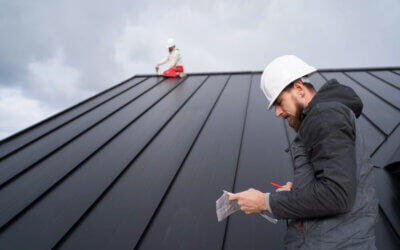
Most expensive metal roof repairs could have been prevented with a basic inspection every 1 to 2 years.
A simple maintenance visit can include:
- Fastener inspection
- Sealant check
- Flashing review
- Drainage assessment
- Minor touch-ups
The cost of inspection is minimal compared to interior water damage repairs, insulation replacement, drywall repair, or mold remediation.
What Proper Metal Roof Maintenance Actually Looks Like
A realistic maintenance plan includes:
- Annual visual inspection from ground
- Professional inspection every 1 to 2 years
- Debris removal as needed
- Fastener replacement on exposed systems
- Sealant touch-ups where required
- Immediate repair of any visible corrosion
That is it.
Not constant work. Just smart oversight.
The Real Bottom Line
Metal roofing is one of the best long term investments you can make for your home.
But the myth that it requires zero maintenance is what costs homeowners thousands.
Small issues stay small when addressed early. Left alone, they compound.
If you are not sure when your metal roof was last inspected, or if you are seeing early signs of wear, it is far better to assess it now than to wait for water to show up inside.
Conclusion
Metal roofs are durable and long lasting, but they are not maintenance proof. Fasteners loosen, sealants age, flashing shifts, and debris traps moisture. None of these issues are severe on their own, but ignored over time they become expensive repairs.
The difference between a metal roof that lasts 50 years and one that develops leaks usually comes down to simple inspections and timely upkeep. Most major problems start small and stay affordable when addressed early.
If you are unsure about the condition of your metal roof, do not wait for interior damage to find out. Fill out the form below and our team will assess your roof before minor issues turn into major expenses.