

Introduction
Booking a roof inspection can feel simple at first. You call someone, they look at the roof, and they tell you what is wrong. But if you do not know what questions to ask, you may leave the inspection without a clear understanding of what your roof actually needs.
At Metal Roof Experts, we know most homeowners are not roofing experts. They just want honest answers, clear recommendations, and enough information to make the right decision. A good roof inspection should help you understand the condition of your roof, what needs attention now, and what can wait.
Before you book a roof inspection, here are the questions that can help you get more value from the visit.
Ask What the Inspection Includes
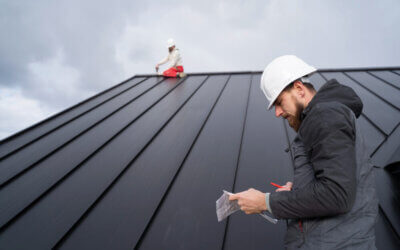
Not every roof inspection is the same. Some inspections are quick visual checks from the ground, while others involve a closer look at the roof surface, flashing, vents, gutters, attic space, and signs of water damage.
Before booking, ask what the inspection will actually include. This helps you understand how detailed the visit will be and whether the contractor is checking the full roof system or only looking for obvious damage.
A proper inspection may review:
• Roofing material condition
• Flashing around chimneys, valleys, and vents
• Signs of rust, cracks, or loose fasteners
• Gutter and drainage concerns
• Attic ventilation
• Water stains or leak indicators
• Areas where repairs may be needed
This matters because a roof can look fine from the outside while still having hidden problems underneath.
Ask If the Roof Needs Repair or Replacement
One of the most important questions to ask is whether the issue can be repaired or whether the roof is getting close to replacement. A good contractor should be able to explain the difference clearly without pushing you toward the most expensive option.
Sometimes roof repair is enough. A small leak, damaged flashing, loose panel, or isolated problem may not require a full roof replacement. In other cases, repeated issues or widespread wear may mean repairs are only a temporary fix.
Ask the inspector to explain:
• What the main issue is
• Whether it is isolated or widespread
• How urgent the problem is
• Whether a repair would solve it properly
• How much life the roof may still have
• What could happen if you wait
This gives you a better understanding of your options before making a decision.
Ask What Warning Signs They Are Looking For
A roof inspection should not just tell you what is wrong. It should also help you understand what warning signs matter.
Many homeowners only call for help after they notice water inside the home. By that point, the issue may have already been building for a while. Asking what signs the inspector is looking for can help you better understand the condition of your roof.
Common warning signs include:
• Missing or damaged shingles or panels
• Rust or corrosion
• Loose flashing
• Soft or sagging areas
• Water stains inside the home
• Poor ventilation
• Moss, debris, or clogged drainage areas
• Signs of metal roof leaks near seams, fasteners, or flashing
When you understand the warning signs, it becomes easier to spot future problems earlier.
Ask If There Are Any Hidden Moisture Concerns
Water damage is not always easy to see. Sometimes a roof leak starts small and stays hidden in the attic, insulation, or roof deck before it becomes obvious inside the home.
That is why it is worth asking whether the inspection includes signs of moisture. Even if there is no active drip, there may be staining, damp insulation, mould concerns, or weakened areas that point to a problem.
Ask questions like:
• Do you see any signs of past leaks?
• Is there moisture in the attic or roof deck?
• Are there stains around vents, valleys, or flashing?
• Is condensation becoming a problem?
• Could ventilation be contributing to moisture buildup?
These questions can help uncover problems that may not be visible from the ground.
Ask About Ventilation
Roof ventilation is easy to overlook, but it can affect how well your roof performs. Poor ventilation can trap heat and moisture in the attic, which may lead to condensation, mould, ice buildup, and higher energy costs.
Before booking an inspection, ask whether ventilation will be reviewed. This is especially important if your home has had ice dams, moisture concerns, upstairs rooms that feel too hot, or roof materials that aged faster than expected.
Good ventilation helps your roofing system breathe properly. It also helps protect the materials underneath the visible roof surface.
Ask If the Roof Is Showing Signs of Age
Even if your roof is not leaking, age still matters. An older roof may be more vulnerable to damage during heavy rain, snow, wind, or freeze and thaw cycles.
Ask the inspector whether the roof is showing normal wear or signs that it may be reaching the end of its life. This can help you plan ahead instead of waiting for an emergency.
This is also where 4 signs your roof might need replacement can become useful to think about. If your roof has visible damage, recurring leaks, sagging areas, or materials that are breaking down, it may be time to look beyond short term repairs.
A good inspection should help you understand whether your roof is aging normally or starting to become a bigger concern.
Ask For Photos and a Clear Explanation
A roof inspection should not leave you guessing. Ask whether the contractor can provide photos of what they find and explain the problem in plain language.
Photos are helpful because they show you what the inspector is seeing. They also make it easier to compare recommendations if you are getting more than one opinion.
After the inspection, you should understand:
• What was checked
• What issues were found
• What needs attention first
• What can wait
• What the recommended next step is
• Why that recommendation makes sense
You should not feel pressured or confused. A good inspection should give you clarity.
Ask About the Next Step
Before the inspection ends, ask what the next step should be. This does not always mean booking work right away. Sometimes the next step is monitoring the roof, planning for a future replacement, scheduling a small repair, or getting a quote.
The key is to leave with a practical plan. You should know whether the issue is urgent, whether it can wait, and what action makes the most sense for your home.
Helpful questions include:
• What should I do first?
• Is this urgent or can it wait?
• What happens if I do nothing for now?
• Should I repair this or plan for replacement?
• Do you recommend any maintenance?
• When should the roof be checked again?
These questions help you make a calm decision instead of reacting to fear or pressure.
Conclusion
A roof inspection is not just about finding problems. It is about understanding what is happening with your roof and what your options are. The right questions can help you get clearer answers, avoid confusion, and make a better decision for your home.
Before booking an inspection, ask what is included, whether repairs or replacement may be needed, what warning signs matter, and whether moisture or ventilation should be reviewed.
If you have questions about your roof or want someone to take a closer look, fill out the form below or give us a call. We can help you understand what is going on and what next step makes the most sense.